Two larch boards can look almost identical on a pallet and behave very differently once they are fixed in place. One holds a sharp edge for years with barely a split; the other cups, bleeds resin and knots up like a hedge. Buying "larch" without asking which larch is where most cladding disappointments begin.
Siberian larch (Larix sibirica and its relatives) grows slowly in a short, cold season. That gives it dense, tightly packed growth rings and plenty of natural resin. British larch — mostly European larch and hybrid larch grown in UK woodlands — grows faster in a milder, wetter climate. Almost everything that follows comes back to that one difference.
Durability: what you are actually paying for
Both are softwoods, and neither is in the same league as oak or sweet chestnut. But Siberian larch is generally regarded as moderately durable, while homegrown larch tends to sit a notch below it. The reason is the ratio of heartwood to sapwood. Heartwood is the dark, resin-soaked core; sapwood is the pale band at the edges, and it has very little durability at all. A Siberian cladding board is mostly heartwood. A British larch board cut from a young, fast-grown tree may not be.
So the first question to ask any merchant is not "is it larch?" but "how much heartwood, and is it graded?" For anything exposed, specify heartwood-only stock. If sapwood is included, it should be pressure-treated, and the treatment should be visible in the cut ends.
Appearance and how it weathers
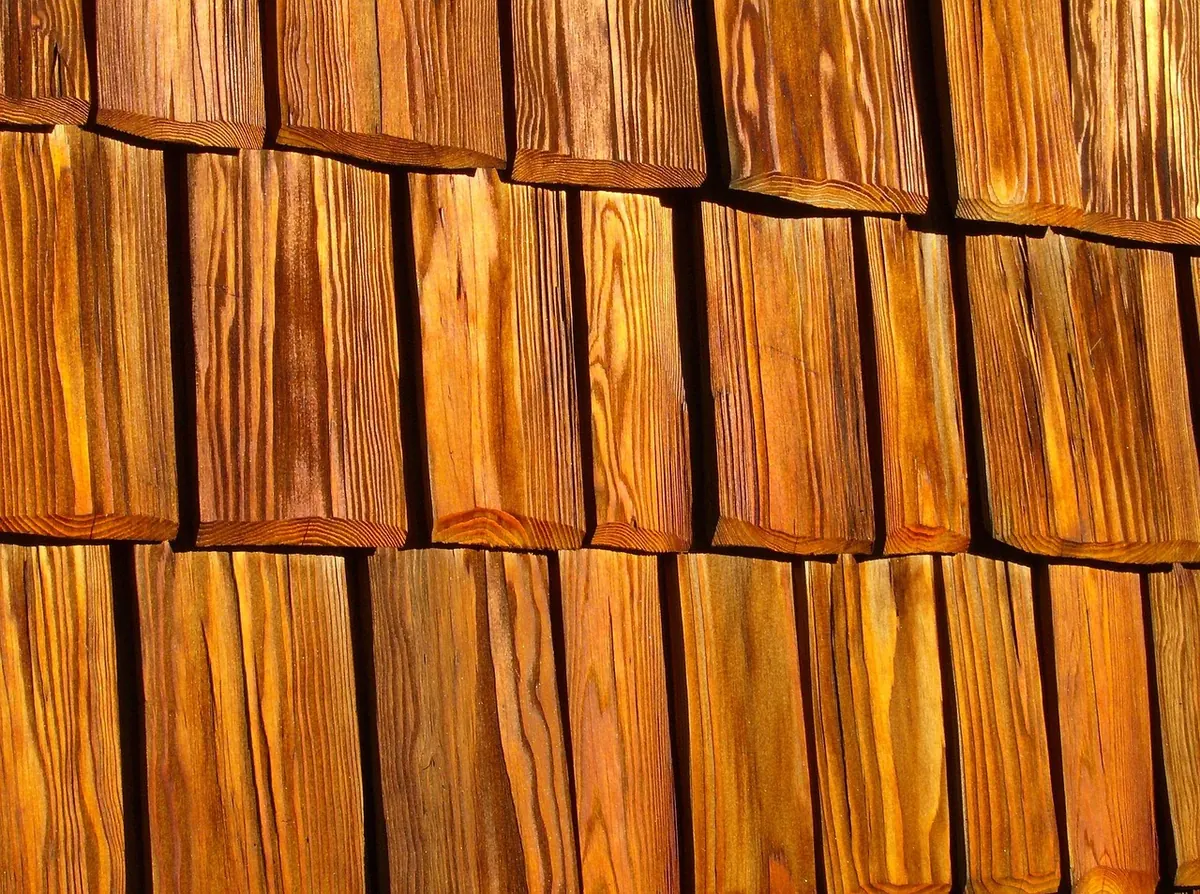
Siberian larch is usually pale straw to honey, with a fine, even texture and small, tight knots. Boards from the same pack tend to look like they belong together. British larch has wider growth rings, stronger contrast between early and late wood, more knots and considerably more variation in colour — which some people love and others find untidy on a large, flat elevation.
Weathering is the great leveller. Left bare, both turn silver-grey within a couple of seasons, and the grain pattern becomes the dominant feature. If you want to keep the warm colour, you will need a pigmented finish and you will need to reapply it regularly. Oil once and walk away, and you will get patchy grey with orange streaks.
Workability and installation
Siberian larch is denser, so it dulls tooling faster and can split if you nail close to an edge. Pre-drill near ends and use ring-shank stainless steel nails or stainless screws. It is also resinous — blades and hands get sticky, and resin can weep onto the face of the timber in hot weather.
British larch cuts more easily but is often supplied green, which means it will move as it dries. Knots can deflect a saw or a plane. It is more forgiving to work, less forgiving to install badly.
- Specify heartwood and check the cut ends for pale sapwood bands.
- Leave a ventilated cavity of around 20–25mm behind cladding, with insect mesh top and bottom.
- Use stainless fixings — larch is acidic and eats through cheap galvanised coatings.
- Pre-drill near ends and don't over-tighten; let boards move.
- Seal cut ends on any board that will be exposed.
Sustainability and sourcing
Ask for chain-of-custody documentation. FSC or PEFC certification is the baseline, and a serious merchant will produce it without a fuss. Import restrictions on Russian timber have complicated supply routes in recent years, so it is worth asking exactly where the timber was grown, milled and certified — a vague answer is a warning sign.
Homegrown larch has the shorter journey and supports domestic forestry, but the picture is not straightforward. Much of the British larch being felled now is coming out because of Phytophthora ramorum, a disease that has forced the clearance of larch plantations. That means trees are often felled young, giving smaller diameters, more knots and more sapwood. On the other hand, buying British reduces the risk of importing new pests and diseases with the timber.
Availability in the UK
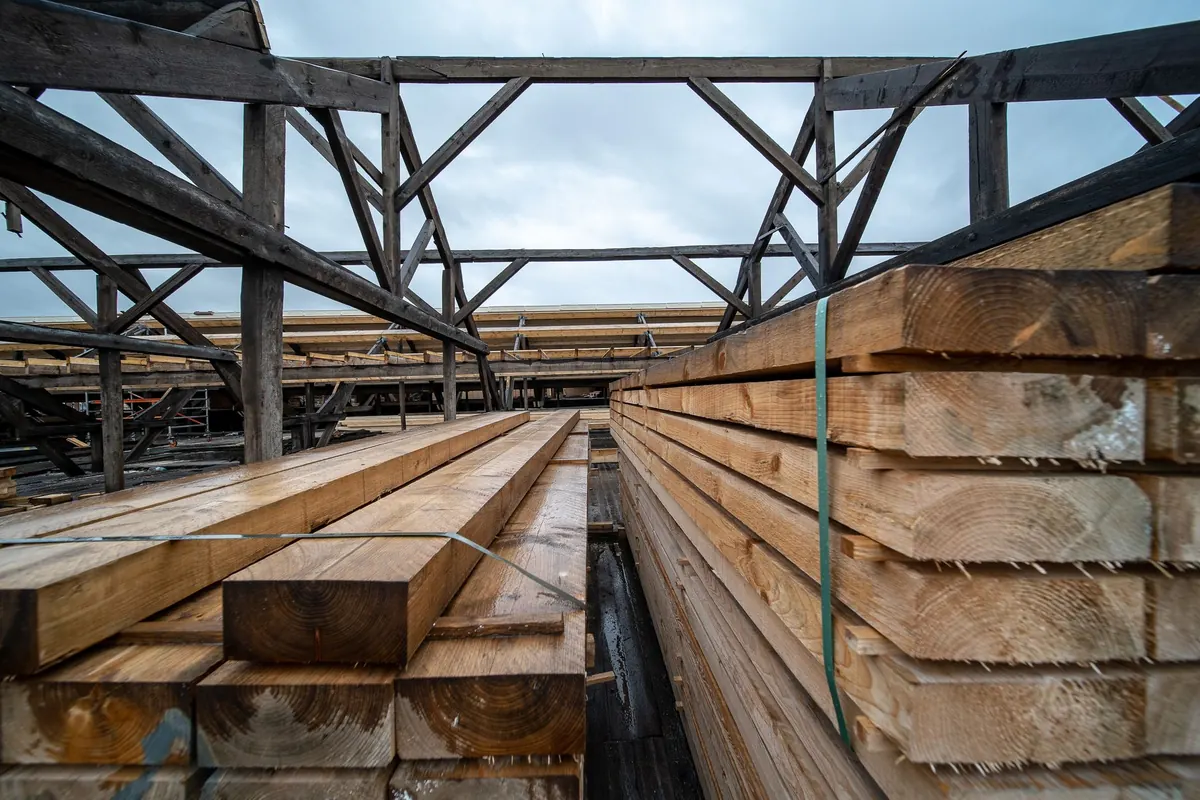
Siberian larch arrives as imported, kiln-dried, graded stock, usually machine-profiled into cladding and decking patterns in consistent lengths. You can order a profile, a width and a finish and know what will turn up.
British larch is more of a local trade. Availability varies by region and season, and many sawmills sell sawn sizes in mixed packs, often green or air-dried. That is fine for fencing, sheds and garden structures. It is harder to guarantee when you are cladding 60 square metres of a house and need every board to match.
Price and value
Siberian larch generally costs more per cubic metre. The premium reflects shipping, grading and the fact that you are buying a slower-grown, denser board with more heartwood in it. British larch looks cheaper on the invoice.
The honest comparison is cost per square metre of finished, fixed cladding. British larch in the green will shrink and move, so some of what you buy disappears. Mixed packs mean sorting and wastage. Siberian larch usually costs more upfront but wastes less and takes less time to install neatly. On a small fence, that does not matter. On a large elevation, it often does.
Which should you buy?
Choose Siberian larch where the finished appearance matters, where the site is exposed or coastal, where you want consistent profiles, and where you would rather not be re-finishing every couple of years. Cladding, soffits and visible decking are its natural territory.
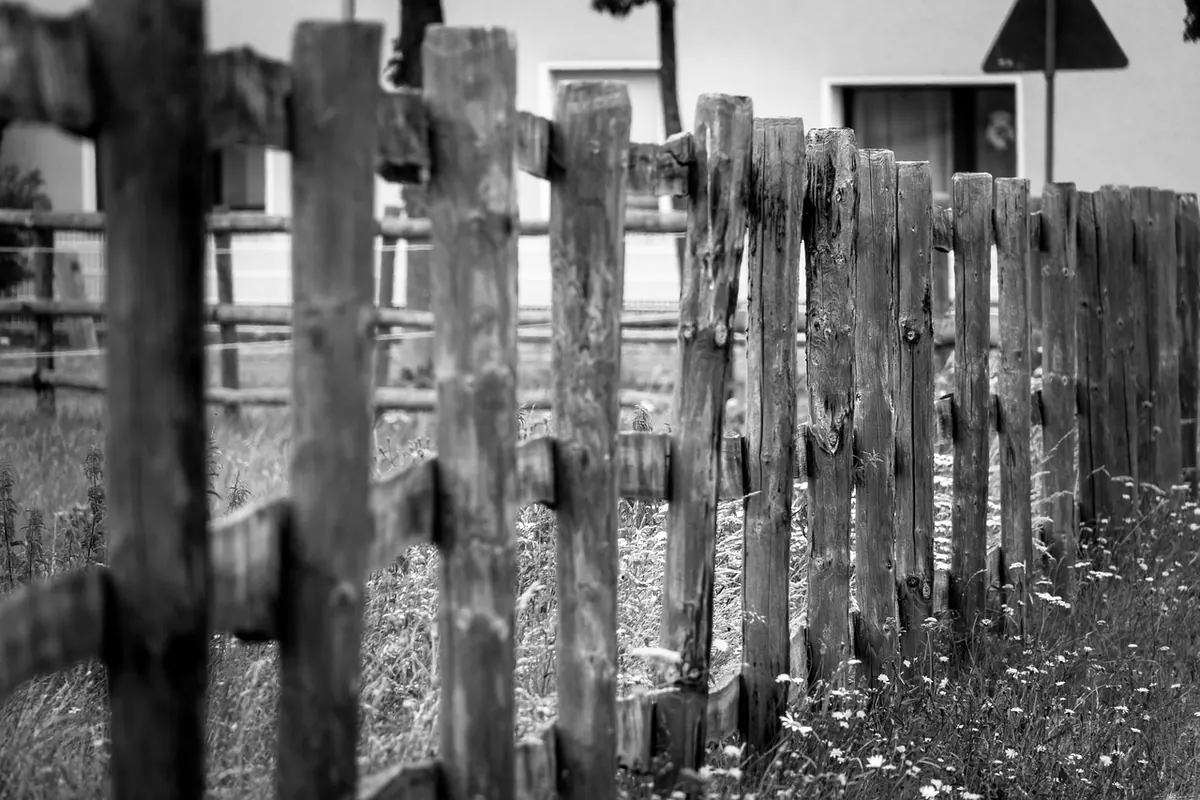
Choose British larch for fencing, sheds, raised beds, screens and garden structures, for budget-driven jobs, or where you want the lowest transport miles and are happy to sort, treat and work around the knots.
Whichever you pick, the details decide the outcome: heartwood-only stock, correct fixings, a drained and ventilated cavity, and a maintenance plan you will actually follow. Get those right and both timbers will serve you well. Get them wrong and neither will. If your project is structural or needs to satisfy building control, take advice from a structural engineer or your local authority before you order.
Photo: Allmann / Pixabay